After nearly eight years since my ordination, I’ve spent a lot of time reflecting on what is actually required of a pastor.
There are plenty of expectations. Churches have them. Congregations have them. Communities have them. And when you’re a queer pastor, those expectations can multiply, spoken and unspoken.
But the truth is, the core requirement hasn’t changed in thousands of years.
The prophet Book of Micah says it simply:
“What does the Lord require of you, O mortal, but to do justice, love kindness, and walk humbly with your God?” (Micah 6:8)
That’s it.
It’s a question asked of anyone trying to live faithfully, whether you’re a person in the pews or someone standing in the pulpit. And like many questions in scripture, the answer seems simple on the surface but takes a lifetime to understand.
For almost eight years, I have tried to live by those three instructions:
do justice, love kindness, and walk humbly with God.
There have been moments of deep joy and moments of real heartbreak. Moments where it felt like things were working, and moments where it felt like everything was falling apart.
And I’ve felt every bit of it.
The Loneliness of Humility
One of the things people don’t talk about enough in ministry is how lonely humility can feel.
Walking humbly with God often means walking a path that others don’t fully understand. Sometimes it means standing in places where you’re not quite welcomed but you stay anyway because the work matters.
Over the years I’ve spent time with people who were on the edges of the church—people with one foot in and one foot out. Many times I wasn’t invited to the table, whether that was the communion table, the lunch table, or the decision-making table.
People often show up when they need something from the church. But when the church, or the pastor, needs something in return, that can be harder.
So yes, sometimes walking humbly means walking alone.
The Complicated Reality of Leading the Church You Grew Up In
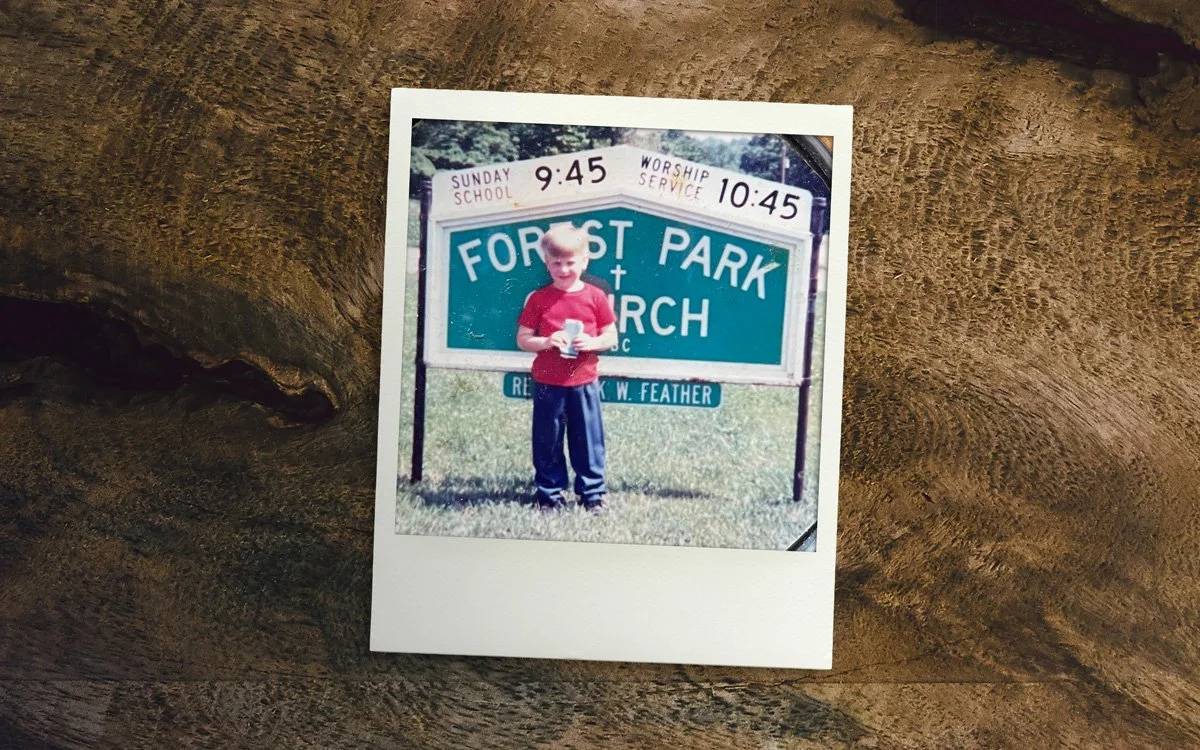
One thing I’ve learned along the way is that pastoring the church you grew up in is complicated.
There is something beautiful about it. But there is also something incredibly difficult about it.
Imagine being voted in by a congregation you’ve known most of your life. Then imagine that years later, by the time your tenure is ending, almost no one from that original group is still there and the one person who is left never wanted you to be the pastor in the first place.
That’s a strange reality to sit with.
It’s also strange to watch a church lose a building that had been home for generations. People complained about it for years. But when the moment came to grieve that loss, I found myself standing in the room almost alone.
Ministry has a way of revealing who will show up in moments of transition and who won’t.
The Personal Cost
Over eight years I only missed two days unexpectedly.
Two days.
During that same period:
My father was diagnosed with cancer.
My mother was diagnosed with cancer.
My husband went through a serious mental health crisis.
My father died.
And still, only two missed days.
I own my part in that. I chose that level of commitment. But commitment can also come with loneliness when the same level of dedication isn’t shared by the community you’re serving.
It’s not about expecting perfection or constant attendance. It’s about commitment, showing up for the work we say matters.
The People Who Did Show Up
And to be clear, some people did show up.
There were people who supported the work. People who encouraged me. People who cared deeply about justice and compassion and community.
Those people matter more than they probably realize.
Even though the momentum didn’t always stick, their presence made a difference.
Not every effort grows into something permanent. Not every ministry lasts forever. But that doesn’t mean the work was meaningless.
In fact, sometimes the work matters precisely because it existed for a moment when it was needed.
Learning Humility in a New Way
Right now, I’m still learning what it means to walk humbly.
Humility isn’t about pretending everything was fine when it wasn’t. It’s not about denying pain or pretending harmful behavior didn’t happen.
Sometimes humility means acknowledging that certain situations were deeply difficult—and that some people behaved poorly.
At the same time, humility means offering grace. It means recognizing that we are all flawed and still capable of change.
I’m also realizing something else: I gave more of my life to ministry than I probably should have.
That realization is humbling too.
Living in the Unknown
Now I find myself in a place of uncertainty.
The world itself feels uncertain right now. But so does my own future.
And that, strangely enough, is another part of walking humbly with God—learning to live without having every answer.
Faith isn’t about certainty. It’s about trust.
To Anyone Reading This
Maybe you were part of this journey.
Maybe you weren’t.
Maybe you’re someone who encouraged me along the way. If so, thank you. Encouragement is one of the most sacred gifts we can offer another person.
Or maybe you were part of the hard moments. If that’s the case, grace is still available. That’s the whole point of grace.
But the invitation remains the same for all of us:
Do justice.
Love kindness.
Walk humbly.
No Regrets
Looking back, I regret nothing.
I’m stronger because of it.
When you commit yourself to justice, kindness, and humility, you eventually discover something about yourself, you’re tougher than you realized.
You survive things you didn’t think you could survive.
You learn who you are.
So I’ll borrow a little inspiration from Lisa Rinna and say this:
I was James fucking Vega before all of this.
And I’m still James fucking Vega after it.
Walking humbly with God doesn’t diminish your worth.
If anything, it reveals it.
